 womendy.com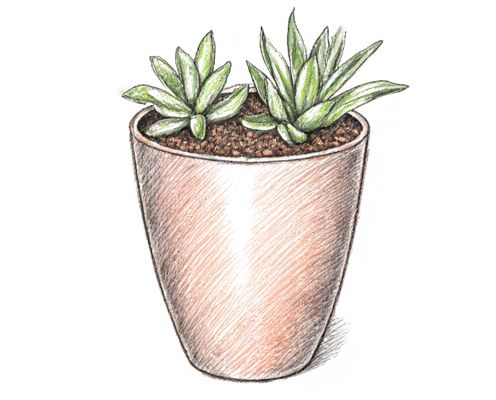
Self-watering planter Illustration
Self-watering planters provide a convenient and efficient way to maintain healthy plants by automatically regulating moisture levels. These planters reduce the risk of overwatering or underwatering, promoting optimal root growth and plant health. Ideal for busy individuals or those new to gardening, they ensure plants receive consistent hydration with minimal effort.
Introduction to Self-Watering Planters in Modern Homeware
Self-watering planters revolutionize modern homeware by integrating built-in reservoirs that supply consistent moisture to plants, reducing the need for frequent watering. These planters promote healthier plant growth by preventing overwatering and underwatering, making them ideal for busy households and urban living. Designed with sleek materials like ceramic and BPA-free plastic, self-watering planters combine functionality with contemporary aesthetics to enhance indoor greenery effortlessly.
Empowering Women Through Effortless Plant Care Solutions
Self-watering planters revolutionize home gardening by offering women easy, time-saving plant care solutions that promote sustainable living. These innovative planters ensure optimal hydration, reducing maintenance efforts and empowering women to nurture greenery confidently. By combining functionality with elegant design, self-watering planters enhance indoor spaces while supporting eco-conscious lifestyles.
Top Benefits of Using Self-Watering Planters at Home
Self-watering planters maintain optimal soil moisture through an integrated reservoir, reducing the frequency of watering while promoting healthier plant growth. These planters prevent overwatering by providing consistent hydration, minimizing root rot and nutrient loss. Convenient for busy lifestyles, they enhance water efficiency and support sustainable gardening practices indoors.
Design Innovations in Self-Watering Planters for Stylish Interiors
Self-watering planters integrate sleek reservoirs and minimalist designs that elevate indoor aesthetics while ensuring optimal hydration for plants. Innovations include transparent water level indicators and eco-friendly materials that blend functionality with modern decor trends. These planters offer a seamless fusion of style and convenience, catering to urban gardeners seeking low-maintenance greenery solutions.
How Self-Watering Planters Support Women's Busy Lifestyles
Self-watering planters offer a practical solution for women balancing busy schedules by reducing the time and effort needed for plant care. These planters use a reservoir system that provides consistent moisture, ensuring plants thrive without daily watering. Your home can stay green and vibrant effortlessly, allowing you to enjoy the benefits of gardening while focusing on other priorities.
Sustainable Home Decor: Eco-Friendly Materials and Practices
Self-watering planters made from recycled bamboo fibers and biodegradable plastics enhance sustainable home decor by minimizing water waste and reducing environmental impact. These eco-friendly planters support plant health through efficient water regulation, eliminating frequent watering needs, and promoting resource conservation. Incorporating such sustainable materials and practices into homeware aligns with environmentally conscious living and reduces plastic pollution.
Choosing the Right Self-Watering Planter for Every Room
Selecting the ideal self-watering planter depends on room size, light exposure, and plant type, ensuring consistent hydration without overwatering. Compact designs fit small spaces like kitchens and bathrooms, while larger models with adjustable reservoirs suit living rooms and offices with diverse plants. Materials such as ceramic or BPA-free plastic enhance durability and aesthetic appeal, complementing the room's decor while maintaining functionality.
Easy Plant Choices for Self-Watering Planters
Self-watering planters work best with plants that thrive in consistently moist soil, such as herbs like basil, mint, and parsley, or vegetables like lettuce and spinach. Succulents and cacti are less suitable due to their preference for dry conditions. Selecting appropriate plants ensures optimal growth and reduces the risk of overwatering or root rot in self-watering systems.
Maintenance Tips: Keeping Your Self-Watering Planters Thriving
Regularly check the water reservoir to ensure it doesn't dry out or overflow, preventing root rot and promoting consistent soil moisture. Clean the planter's components, including the reservoir and wicking system, every few weeks to avoid algae buildup and blockages that can hinder water flow. Use quality potting soil with good drainage properties to optimize the self-watering system's efficiency and support healthy plant growth.
Inspiring Women’s Stories: Transforming Spaces with Homeware Planters
Self-watering planters revolutionize home gardening by providing consistent moisture, making it easier for busy women to nurture thriving plants. These innovative planters blend functionality and style, allowing you to transform your living space into a vibrant, green sanctuary effortlessly. Empowering stories from inspiring women reveal how incorporating such homeware elevates both aesthetic and wellbeing.